
high performance systems meet safety standards for flooring
High performance systems have become an essential consideration for industries and facilities looking to maintain both efficiency and safety in flooring solutions. Do high performance systems meet safety standards for flooring? The answer lies in their engineering, materials, and compliance with rigorous industry regulations. These systems are designed not only for durability and performance but also to ensure that the floors they support minimize risks to workers, equipment, and overall operations. By integrating advanced materials and construction techniques, high performance systems provide a reliable foundation that aligns with modern safety standards.
One of the key reasons high performance systems meet safety standards for flooring is the careful selection of materials. Floors in industrial and commercial settings are often subjected to heavy machinery, high foot traffic, and chemical exposure. High performance systems use reinforced concrete, specialized coatings, or polymer-based materials that are tested to resist wear, slipping, and impact damage. These materials are chosen to comply with industry safety codes, such as slip resistance, load-bearing capacity, and fire resistance. By adhering to these standards, high performance systems help prevent accidents and protect both employees and assets.
The design process of high performance systems also emphasizes safety. Engineers and designers evaluate how the flooring will respond to dynamic loads, sudden impacts, and environmental factors such as moisture or temperature fluctuations. Do high performance systems meet safety standards for flooring? The answer is reinforced by the use of simulation and testing procedures, which assess the system’s performance under various conditions. This proactive approach ensures that the floors can withstand real-world challenges while maintaining compliance with regulations like OSHA guidelines or ISO standards. The result is a safer working environment where risks are minimized, and operational efficiency is maximized.
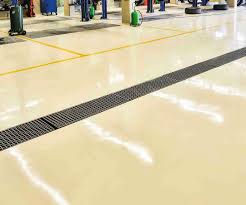
Do high performance systems meet safety standards for flooring?
Another factor contributing to safety compliance is the integration of anti-slip and shock-absorbing features in high performance systems. In environments where spills, debris, or mechanical movement are common, floors must reduce the likelihood of slips, trips, and falls. High performance systems incorporate textured surfaces, coatings, or cushioning layers that enhance grip and absorb impact energy. This reduces the risk of injuries and ensures that facilities maintain adherence to occupational safety requirements. By providing both structural integrity and surface safety, these systems meet the dual demands of durability and worker protection.
Maintenance and longevity also play a role in ensuring that high performance systems continue to meet safety standards over time. Floors that degrade or become uneven can create hazards, but high performance systems are engineered to resist wear and maintain their properties for extended periods. Regular inspections and preventative maintenance are easier with these systems because they are built with durable, resilient components. Even in the case of minor surface damage, the underlying structure remains safe and compliant, reducing the likelihood of accidents or regulatory violations.
In conclusion, high performance systems are specifically designed to meet safety standards for flooring. Their use of advanced materials, rigorous engineering, compliance with industry codes, and focus on slip resistance and impact absorption make them an ideal choice for modern facilities. By investing in high performance systems, companies can ensure safer work environments, reduce the risk of accidents, and maintain floors that perform reliably under demanding conditions. The combination of durability and safety makes these systems a long-term solution that aligns with both operational and regulatory requirements.
